Moving from paper logs to digital precision
Before this engagement, the client’s drilling operations were slowed down by a reliance on manual documentation. Field engineers at remote rig sites spent hours filling out physical logbooks and spreadsheets. This data often took days to reach the head office, meaning managers were making operational decisions based on outdated information. The lack of a unified system also meant that safety protocols were difficult to track and audit in real-time.
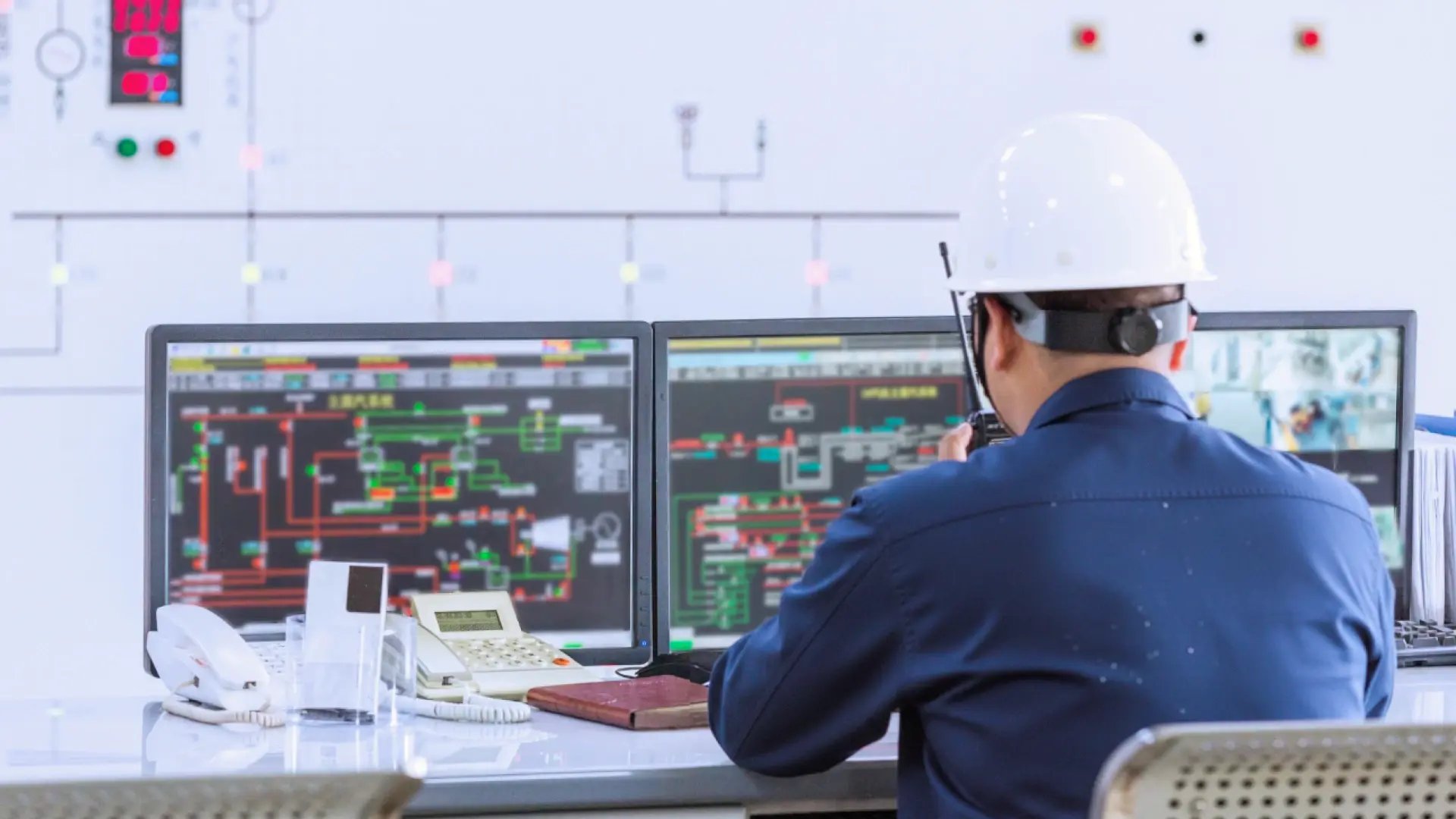
The goal was to move away from these fragmented outputs toward a single source of truth. We looked at how data moved from the drill bit to the executive dashboard. The core problem was not just a lack of an app, but a breakdown in the speed of communication between the field and the office.
Designing for high-pressure environments
Field engineers work in harsh, high-stakes environments where they cannot spend time navigating complex software. We focused the design on the physical reality of a drilling rig. This meant creating an interface with large touch targets for use with gloved hands and high-contrast visuals that remain legible in direct sunlight or low-light conditions.
The most critical decision was the architecture of the offline mode. In the oil and gas industry, connectivity is never guaranteed. We built a robust local storage system that allows engineers to complete entire shifts and safety audits while completely disconnected. The system handles the complex task of merging these logs with the main database as soon as a connection is found, ensuring no data is lost or duplicated.
Closing the safety and compliance gap
Safety is the highest priority in drilling operations, but paper-based checklists are easy to bypass or lose. We turned safety compliance into a hard gate within the workflow. For the first time, the client can ensure that specific safety checks are completed digitally before the next phase of an operation can begin.
This digital trail provides an automated audit log that the head office can access instantly. Instead of waiting for a weekly report to identify a compliance risk, managers can see a red flag on their dashboard the moment a check is missed. This shift from reactive to proactive safety management has significantly reduced the operational risk profile across all active drilling sites.
Visualizing the full operation
By consolidating asset management, personnel tracking, and drilling progress into one platform, the client gained a level of visibility they did not have before. The admin portal provides a live view of every rig in the fleet.
This centralized view allows for better resource allocation. If one rig is ahead of schedule and another is facing a delay, managers can reassign equipment or specialists based on live data. The platform has turned what was once a series of isolated rig operations into a coordinated, data-driven drilling program.

Thai farmers can now find, book, and pay for drone crop spraying online without calling anyone