


The "If You Build It..." Fallacy in Modern Product Development
The iconic line, "If You Build It, they will come," from the movie Field of Dreams, evokes a powerful, almost romantic, ideal of creation. It suggests that sheer brilliance, passion, or a heartfelt vision for a product is enough to guarantee its Product Success. That if you simply manifest your idea into reality, customers will magically appear, eager to embrace what you've created.
While this makes for fantastic cinema, it's a profound and dangerously misleading fallacy in the real world of Product Development, Business Strategy, and innovation. For digital solutions, physical goods, or even new services, blindly adhering to this mantra is a fast track to wasted resources, dashed hopes, and often, outright failure. Sustainable growth requires replacing blind passion with strategic Product Discovery.
The Market Reality: Why Product Differentiation is Key
In the movie, Kevin Costner's character builds a baseball field in an isolated cornfield, a singular, unique endeavor. The reality of today's market couldn't be more different. We live in an incredibly crowded, noisy, and competitive landscape. For almost any product or service you can conceive, there are already dozens, if not hundreds, of alternatives vying for a customer's attention, time, and money.
Simply building something, no matter how clever or well-intentioned, doesn't guarantee visibility. Without a clear strategy for Product Differentiation, effective marketing, and scalable distribution, your meticulously crafted solution risks becoming just another anonymous offering in a sea of options, invisible to the very audience you hoped to attract. Product Discovery must begin with rigorous analysis of the existing Competitive Landscape.
The Crucial Distinction: Problem Validation vs. Solution Creation
The "If you build it" mindset often leads to a solution-first approach. The team has a brilliant idea for a feature or a novel service, and then they retroactively try to find a problem it can solve. This puts the cart before the horse and skips the essential step of Problem Validation.
Successful Profitable Products emerge from a problem-first approach. They start with a deep, empathetic understanding of a user's pain point, an unmet need, or a frustrated desire. Customers don't buy products because they're beautifully engineered; they buy solutions to problems they acutely feel. If your creation doesn't effectively address a genuine, pressing need that users are willing to pay for, its existence alone won't compel anyone to "come." This is the foundational principle of effective Product Discovery.
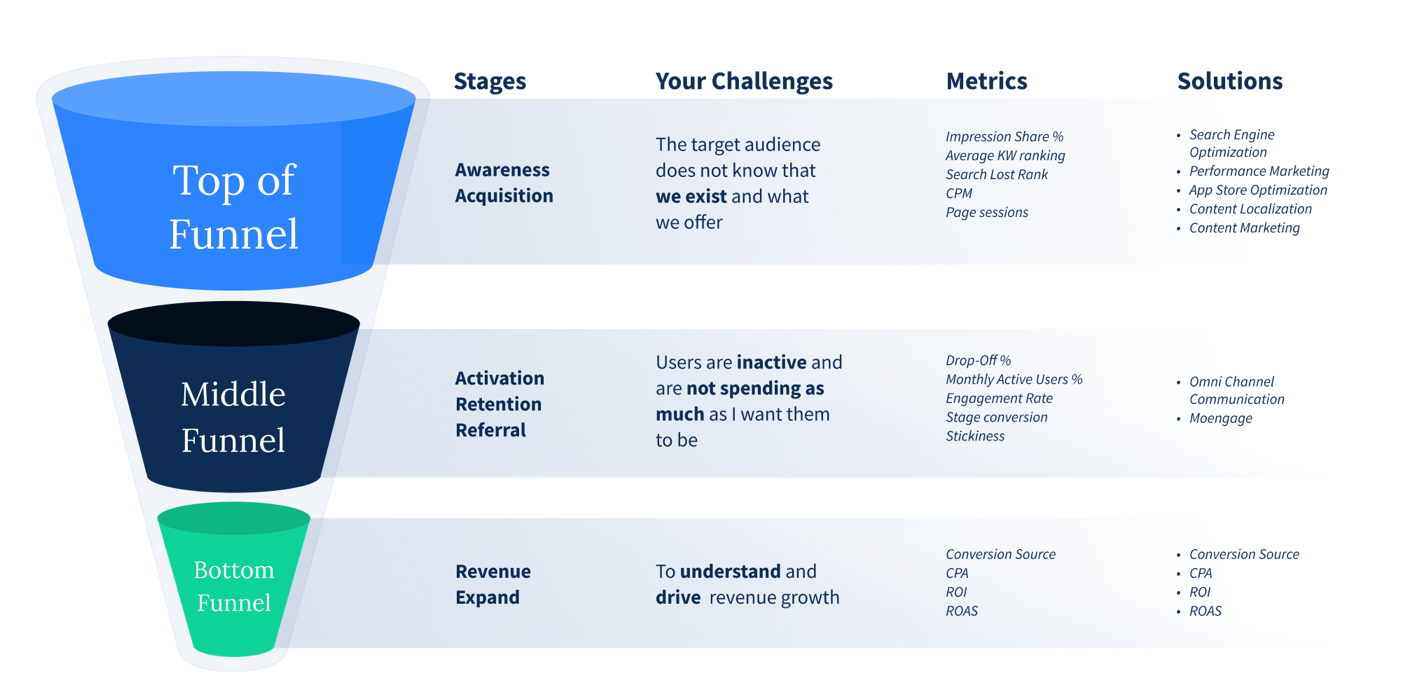
Business Viability: Desirability Does Not Automatically Equal Profitability
Perhaps the most insidious aspect of this fallacy is its neglect of business fundamentals. A product can indeed be "loveable", it might attract rave reviews from early adopters and impress with its design. But can that love translate into a sustainable business? A "loveable" product without a viable business model is, sadly, just an expensive hobby.
To achieve a Profitable Product, teams must rigorously answer key Business Viability questions:
- Market Size: Is the passionate user base large enough to generate sufficient, scalable revenue?
- Unit Economics: How much does it cost to acquire each new customer (Customer Acquisition Cost, CAC), and does this outweigh their Lifetime Value (LTV)?
- Monetization Model: Is there a clear, effective, and ethical way for the product to generate revenue?
- Scalability: Can the product grow without costs spiraling out of control, either through technical debt or operational overhead?
Many products have been adored by its users but failed because it couldn't answer these commercial questions positively. True Product Strategy demands validating profitability metrics alongside user delight.
The Smarter Approach: Strategic Product Discovery and Validation
Instead of blind faith, successful Product Development hinges on a strategic framework known as Product Discovery. This is a continuous, iterative process that systematically de-risks product investments by validating key assumptions before committing significant engineering resources.
The key components of this validation-first approach include:
- Problem Validation: Deeply understanding user pain points and the severity of those needs.
- Market Validation: Assessing the size and viability of the target market, confirming market fit and competitive positioning.
- Solution Validation: Testing potential solutions with users through low-fidelity prototypes to measure usability and efficacy.
- Business Model Validation: Rigorously examining revenue streams, cost structures, and the path to a Profitable Product.
This approach prioritizes learning over building. It encourages the courageous decision to "kill ideas early" that don't demonstrate clear desirability or viability, saving immense time and money that would otherwise be spent on products destined for obscurity or unprofitability.
In essence, the "If you build it, they will come" fallacy is a dangerous relic. Modern Product Success isn't about blind creation; it's about strategic Product Discovery, meticulous validation, and a clear understanding that a product must serve both its users and the business's bottom line.

.png)
-1.webp)